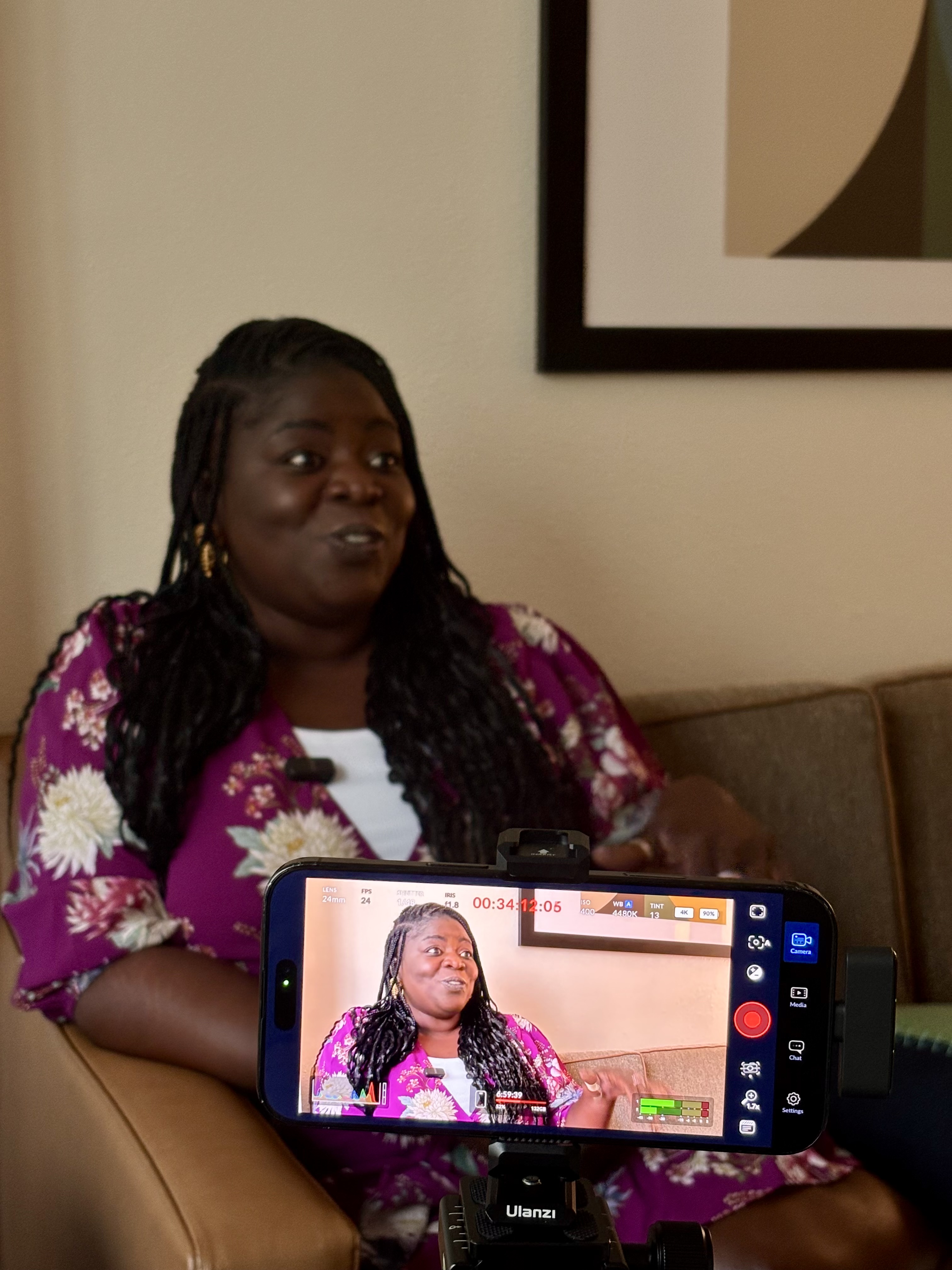
The Global Oral History of PEPFAR project documents the stories of government officials, physicians, non-profit leaders, and others in the United States and Africa who made PEFPAR possible. Since 2003, the U.S. President’s Emergency Plan for AIDS Relief (PEPFAR) has provided over $110 billion in funding to combat HIV/AIDS and saved an estimated 26 million lives. Scholars recognize that this public health policy began as an act of compassionate conservatism but also served as an integral part of President George W. Bush’s strategy for global security (Bradley and Taylor, 2021). An impressive literature in public health has drawn on quantitative and biological data to assess PEPFAR’s impacts. It has been described as “the largest disease-specific global health program in American (or world) history, and this century’s most successful effort to end a plague” (Bass 2021). Nonetheless, the full story of PEPFAR’s creation and evolution on the ground remains untold. It is a story with implications for designing successful, ethical foreign aid and development policy and a reminder of what is possible with bi-partisan politics.
No Ordinary Letter 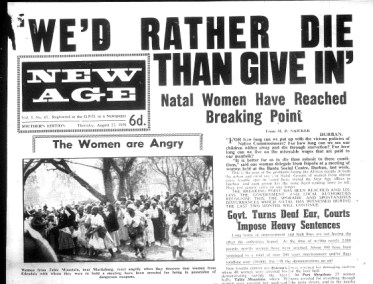 documents rurally-based South African women’s organizing in 1959. Across the province of Natal that year, women campaigned to end apartheid policies of Bantu Authorities, agricultural planning schemes that included cattle culling and maintenance of dipping tanks, low wages, influx control that limited access to the city, and the extension of passes to women. The book considers what women knew and drew upon to inform their decisions to act or not, as well as the nature of those actions, both violent and peaceful. This repertoire included the everyday violence of apartheid and the cultures of honor that enabled them to shame others into action. It highlights how women articulated new knowledge based on their experiences, theorizing their positions as women under apartheid law and navigating the patriarchies that shaped their lives. The manuscript thus takes seriously rural women’s theoretical and tactical contributions to the daily struggle for dignity and the fight for equality in apartheid South Africa.

My first book, To Swim with Crocodiles: Land, Violence, and Belonging in South Africa, 1800-1996 (Michigan State University Press and University of KwaZulu-Natal Press, 2018), shows how Africans in the Table Mountain region of KwaZulu-Natal, South Africa, drew on the cultural inheritance of ukukhonza—a practice of affiliation that binds together chiefs and subjects—to seek social and physical security in times of war and upheaval. Grounded in a rich combination of archival sources and oral interviews, this book examines relations within and between chiefdoms to bring wider concerns of African studies into focus, including land, violence, chieftaincy, ethnic and nationalist politics, and development.
 jill.e.kelly